The holiday season is a time for generosity, cheer, and a little bit of excess. From sparkling ornaments to decadent chocolate truffles, the gifts we give can become a festive feast for the senses. Yet, amid the glitter and tinsel, there’s an often‑overlooked hero of gifting: the packaging itself. When you ask, “why should I use eco‑friendly packaging for a Christmas basket,” the answer is a mix of practicality, conscience, and a touch of holiday magic. Let’s unwrap the benefits together.
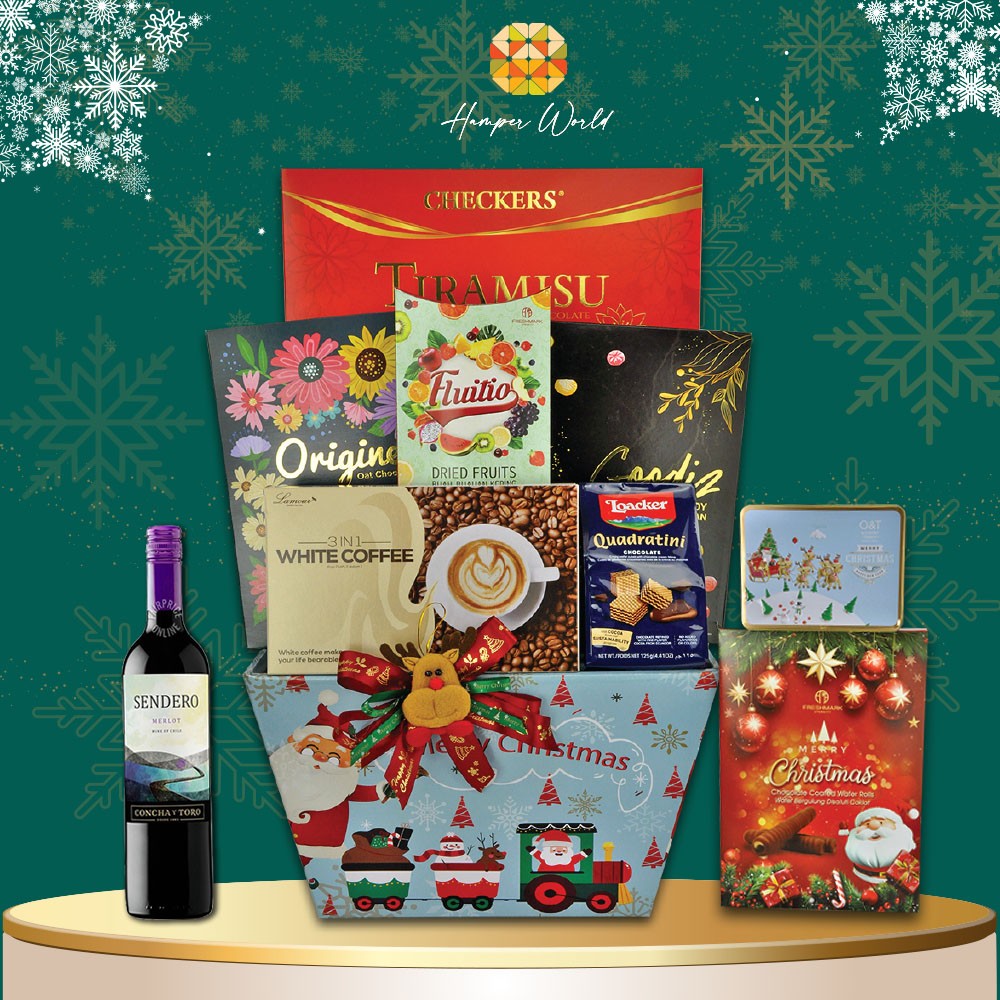

The Environmental Impact of Traditional Christmas Basket Packaging
Paper, plastic, and the holiday waste cycle
Every year, millions of Christmas baskets are wrapped in glossy paper, plastic clamshells, and glittery ribbons. While they look merry, the reality is that these materials contribute to landfill overflow, ocean pollution, and unnecessary carbon emissions. Traditional packaging is a silent accomplice in the “treat‑and‑throw” culture that keeps the planet on a merry‑go‑round of waste.
The carbon footprint of festive packaging
The production of conventional packaging involves energy‑intensive processes and the extraction of non‑renewable resources. Even a single cardboard box can emit several kilograms of CO₂ during manufacturing, transportation, and disposal. When you multiply that by the number of holiday baskets worldwide, the cumulative effect is staggering—almost enough to power a small town for a year.
How Eco-Friendly Packaging Enhances the Gift Experience
Aesthetic appeal that says “I care”
Eco‑friendly packaging isn’t just about being green; it’s about making a statement. Recycled paper, natural fibers, and biodegradable inks can give your basket a rustic charm that feels both authentic and thoughtful. Think of a basket wrapped in kraft paper, tied with a jute twine, and accented with a hand‑stitched holiday card. It’s a visual reminder that the giver has considered the gift’s entire lifecycle.
Long‑lasting and reusable options
Many sustainable materials double as gifts in themselves. A wooden crate or a canvas tote can be repurposed for storage, a picnic, or even a future gift. By choosing reusable packaging, you give your recipient a second chance to enjoy the present—much like a Christmas tree that can be turned into a beautiful centerpiece in spring.
Practical Reasons to Switch to Sustainable Materials
Cost considerations over time
At first glance, eco‑friendly packaging may seem https://troyeogw649.bearsfanteamshop.com/how-can-i-create-a-themed-xmas-hamper-on-a-budget pricier. However, when you factor in the long‑term benefits—such as reduced waste disposal fees, lower environmental taxes, and the potential for bulk discounts on recycled https://blogfreely.net/kinoelaqcg/where-to-buy-xmas-hamper-online-with-free-delivery-your-ultimate-guide materials—the cost advantage becomes clear. Moreover, many suppliers offer competitive pricing for bulk orders of biodegradable or recycled packaging.
Availability and variety of eco‑friendly options
The market for sustainable packaging has grown exponentially. From bamboo boxes to mushroom‑based packing peanuts, there’s a solution for every budget and style. You can now find festive options that still sparkle with holiday cheer—think biodegradable glitter or plant‑based dyes that keep the color vibrant without the environmental toll.
Common Questions About Eco-Friendly Christmas Basket Packaging
Will it still look festive?
Absolutely. “Eco‑friendly” does not mean “plain.” Many designers are crafting packaging that blends sustainability with style. Look for vibrant, natural colors, creative textures, and clever use of recyclable materials that can stand out on a holiday table.
Is it truly greener?
The key is to verify the credentials. Look for certifications such as FSC (Forest Stewardship Council) for paper, or BPI (Biodegradable Products Institute) for biodegradable plastics. These marks ensure that the product meets stringent environmental standards.
Making Your Selection Count – A Quick Guide
- Identify your needs: Size, weight, and fragility of the contents. Choose the right material: Recycled paper, bamboo, or plant‑based plastics. Check certifications: FSC, BPI, or equivalent. Consider the finish: Natural dyes or vegetable inks for a vibrant look. Plan for reuse: Opt for durable containers that can be repurposed.
The Perfect Gift Awaits – A Final Thought
Picture this: a friend receives a Christmas basket wrapped in a simple, elegant paper, tied with a twine that’s as sturdy as it is beautiful. Inside, they find artisanal chocolates, a handwritten note, and a reusable wooden box. When they open the gift, they’re not only delighted by the contents but also by the thoughtfulness embedded in every layer. That’s the power of eco‑friendly packaging—turning a simple basket into a statement of care for both the recipient and the planet.
“Reduce, reuse, recycle” isn’t just a slogan; it’s a call to action that can transform holiday traditions. By choosing sustainable packaging, you’re giving a gift that keeps on giving—long after the last ornament is hung. So, next time you’re preparing a Christmas basket, ask yourself: What if my packaging could be as thoughtful as the gifts inside? The answer might just be a greener, brighter holiday for everyone.