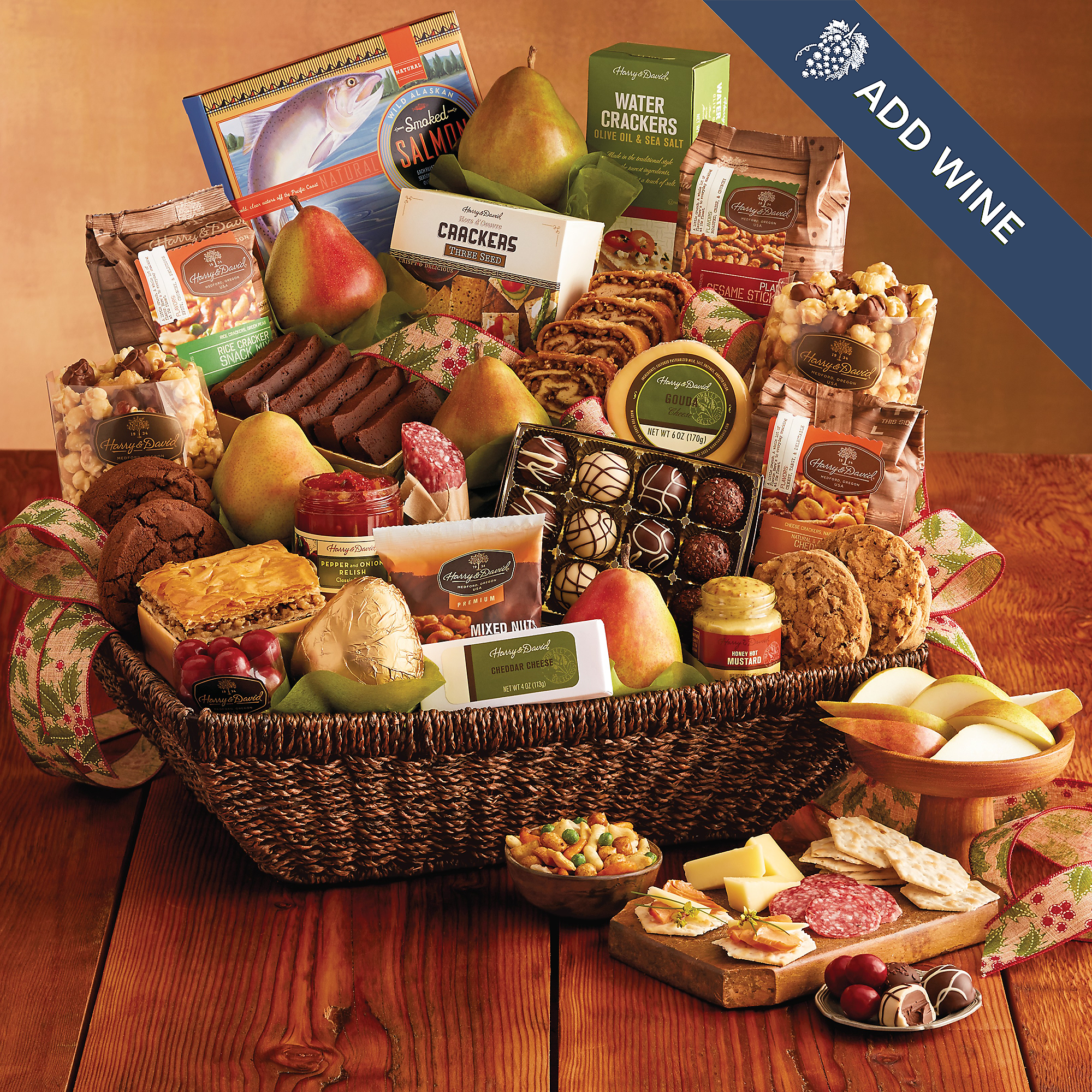
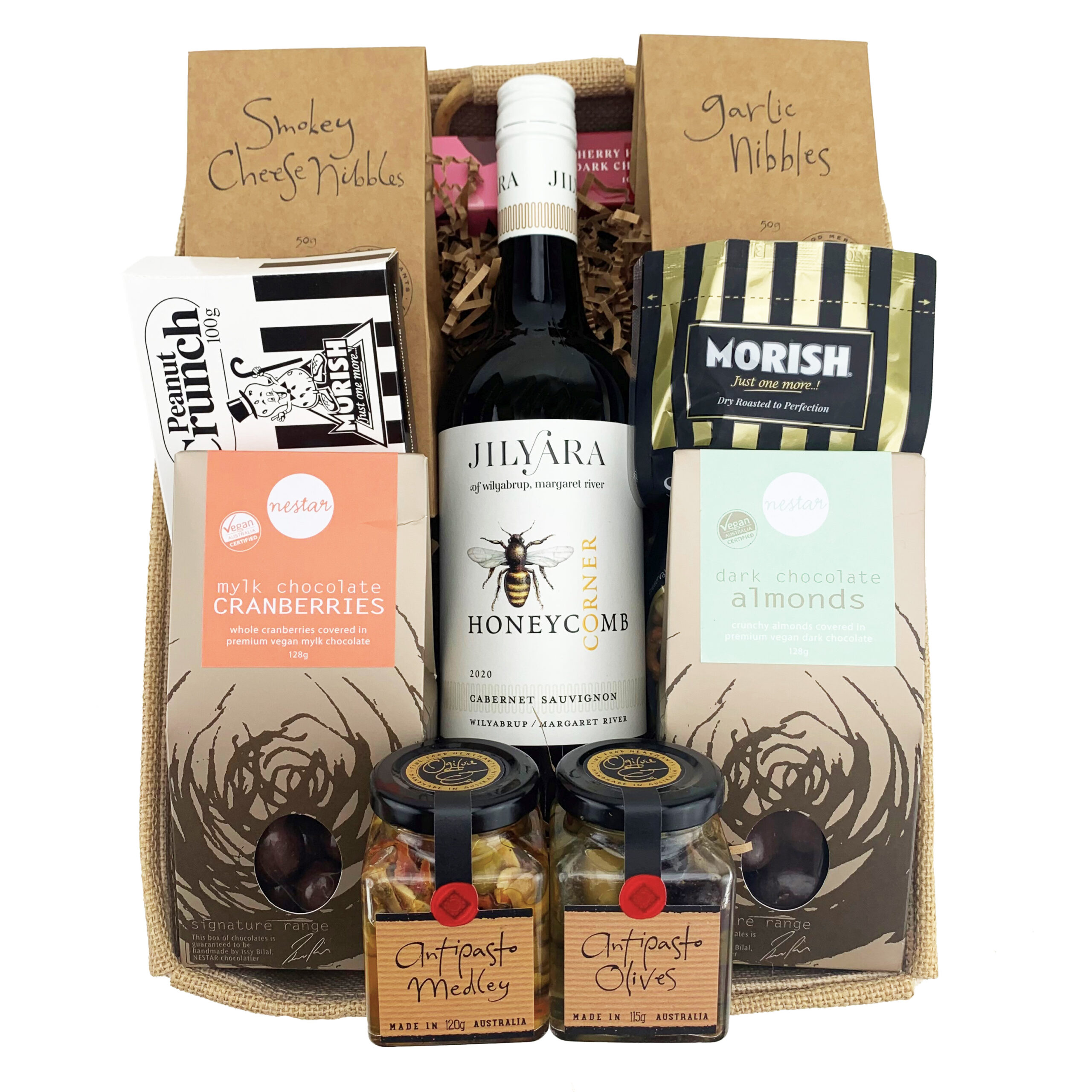
Opening a gourmet hamper is like peeling back the layers of a culinary onion—except this onion smells like chocolate, citrus, and a whiff of wanderlust. One sip of the tiny Ethiopian sachet tucked between the truffle oil and artisan honey, and suddenly you’re barefoot in the highlands of Yirgacheffe. But how did that bean travel from a distant mountainside to your wicker basket, and why do hamper curators swear by certain postage-stamp countries for their caffeine cred? Let’s unpack the stampede of provenance inside today’s premium bundles.
The Passport Behind Every Bean
Gourmet hampers don’t do “generic.” They do terroir—the fancy wine word that basically means “you can taste the ZIP code.” Curators hunt for beans that carry a story as rich as their flavor, because nothing kills gift-giving joy like a mug that tastes like cardboard and disappointment. So they cherry-pick origins that promise acidity with a back-story, sweetness with a side of social impact, and enough aromatic swagger to stand out beside the rosemary crackers.
Why Single-Origin Matters in Gift Culture
Blends have their place—usually in diners at 3 a.m.—but a hamper https://www.scribd.com/document/983673723/Where-to-Find-Gourmet-Hampers-Online-for-Easter-That-Arrive-Before-the-Bunny-154043 is a curated brag. Single-origin coffees whisper, “We know exactly where this was grown, down to the farmer’s middle name.” That traceability reassures recipients that their present isn’t funding deforestation or underpaid labor. Plus, tasting one region in isolation is a liquid geography lesson: you’ll swear you detect blueberry from a Kenyan SL-28 or jasmine from a Panamanian Gesha. Who needs a plane ticket when you’ve got a pour-over?
The Rise of Micro-Lots and Nano-Estates
Once upon a time “Colombian” was specific enough. Now hamper roasters chase 20-bag micro-lots from a single hillside in Huila, each bean nano-roasted to highlight its kiwi-like acidity. The smaller the lot, the rarer the coffee, the shinier the gift. Recipients feel like they’ve been handed the golden ticket—assuming the ticket smells like panela and plays a gentle marimba tune.
Star-Studded Stamps on the Gourmet Circuit
Walk through any upmarket hamper warehouse and you’ll spot the same coffee celebrities again and again. They’re not there by accident; their flavor résumés read like Hollywood billboards: “Acidity with blockbuster brightness!” “Body that lingers longer than your in-laws at Christmas!” Below are the A-list origins most likely to rub shoulders with the quince paste.
Ethiopia: The Birthplace Buffet
Ethiopia is the Meryl Streep of coffee—versatile, legendary, incapable of a bad performance. Yirgacheffe brings lemon-zest tea notes; Sidamo offers honeyed apricot; Guji swings toward strawberry lemonade. Gift companies love bundling a trio of natural, washed, and honey-processed Ethiopias so recipients can taste how processing shapes flavor. It’s the vinous equivalent of serving Syrah alongside Champagne—edible proof that one country can multitask.
Colombia: The Crowd-Pleaser with Complexity
Colombia is the Tom Hanks of beans: likable, reliable, yet capable of drama when the situation demands. Huila departments gift caramel sweetness; Nariño counters with lime-like acidity; Tolima brings cacao heft. Because Colombian coffees cup consistently above 84 points, hamper brands stock them year-round, confident the crowd won’t mutiny after the holiday lights come down.
Jamaica Blue Mountain: Luxury’s Poster Child
If coffee had a velvet rope, it would surround these beans. Grown above 3,000 feet in a misty microclimate, Jamaica Blue Mountain whispers rather than shouts: mild cocoa, whisper-soft nuttiness, zero bitterness. Price tags north of $60 per pound guarantee bragging rights, making it the golden halo atop many “Executive Appreciation” hampers. Fun fact: Japanese buyers snatch 80% of the crop, so landing a 4-oz tin is like securing a reservation at a cult sushi bar—planning required.
Panama Geisha: The Lottery Bean
Remember when a single lot sold for over $1,000 per pound? That was Geisha, the bean that launched a thousand Kickstarter roasters. Its bergamot-and-rose profile turns a breakfast beverage into a perfume counter. Hampers include it in 50-gram test tubes, because any larger format would require refinancing the mortgage. Still, the mere word “Geisha” on a gift card signals you’ve gone full James Bond.
Emerging Destinations Stealing the Spotlight
Old favorites are safe, but curators also need buzz. Enter the underdogs—origins that make recipients say, “They grow coffee there?” These rising stars score headlines, Instagram posts, and the holy grail of gifting: shelf-talking points.
Yemen: History in a Cup
Yemen’s ancient terraces yield tiny, irregular beans loaded with winey funk. Centuries-old heirloom varieties, dried on rooftops with dates nearby, soak up fruit sugars. The result is a cup that tastes like dried fig meets savory spice—perfect beside the hamper’s cardamom cookies. Civil war and water scarcity make supply volatile, so landing a 100-gram tin feels like adopting an endangered tiger: noble, pricey, conversation-starting.
Peru’s Organic Highlands
Not long ago Peru was the mild-mannered blender; today it’s the organic darling. Amazon-facing slopes produce cinnamon-chocolate coffees certified bird-friendly, which pairs nicely with the granola demographic. Bonus: Peruvian lots often support indigenous co-ops, giving your gift a built-in social impact thesis—ideal for the philanthropist who still wants a caffeine buzz.
Rwanda’s Women’s Co-ops
Post-genocide coffee revival turned Rwanda into a sustainability fairytale. Washing stations owned by female farmers churn out brown-sugar sweet beans with black-currant sparkle. Gifting a Rwanda sampler supports gender equity and tastes like summer pudding. Ever tried explaining that to your aunt while she unwraps biscotti? Instant hero status.
Roast, Rest, Reveal: How Provenance Translates in the Cup
Origin is half the story; roast is the translator. A Colombian grown for sweetness can taste like charcoal if the roaster channels their inner dragon. Gourmet hampers usually partner with craft roasters who apply gentle curves—dropping the bean just past first crack to preserve florals, or pushing Brazil a touch darker to highlight cacao. Ask yourself: would you rather sip a tea-like Geisha or chew on a cup that could bench-press a truck? Roast choice determines whether terroir sings or sulks.
Pairing Origins with the Hamper’s Cast
Great curators think like sommeliers: acidity cuts through triple-crème brie, chocolate notes snuggle with brownies, fruity Ethiopians dance with berry jams. They’ll slip a cardamom-dusted Yirgacheffe beside Middle-Eastern pastries, or place a smoky Sumatran next to aged cheddar. The goal is synergy, not competition—like assembling a supergroup where each solo doesn’t drown out the drummer.
An anecdote: Last December, a client requested a “coffee only” hamper for a retiring university dean. We tucked in three Colombians—each roasted to different curves—then added one washed and one natural Ethiopian. The dean later confessed he staged a nightly “cupping” in his kitchen, inviting neighbors to vote. The winner? A honey-like Huila that paired scandalously well with his wife’s rum cake. Proof that origin plus roast plus company equals memory.
From Suitcase to Basket: The Journey of a Gift Bean
Ever wonder how a bean born on a Guatemalan volcano ends up vacuum-sealed beside peppermint truffles? First, a cupping lab scores it 86+. Next, an exporter books space in a temperature-controlled container—because no one wants a sunbaked bean tasting like a jute rug. Once landed, the roaster profiles small batches, typically 5–15 kg, to hit peak solubility. Finally, bags are flushed with nitrogen, tucked into foil, and nestled among the wicker’s protective straw. Total mileage: 7,000 miles; total time: three months; total wow-factor when the lid lifts: immeasurable.
Brewing Tips to Share (and Show Off)
Even the rarest Gesha tastes flat if ground six months ago and drowned in boiling water. Include a mini brew guide in your hamper, or at least slip in these tidbits:
- Grind within 15 minutes of brewing; oxygen is the nemesis of nuance. Use water between 195–205°F (90–96°C) for light roasts; cooler water mutes acidity, hotter scorches sugars. A 1:16 ratio—say 20 g coffee to 320 g water—usually flatters single-origins. Filter methods (V60, Kalita) showcase clarity; immersion (French press) boosts body—pick your adventure.
The Perfect Gift Awaits
Understanding what coffee origins are in gourmet hampers turns you from bewildered gifter to confident curator. Whether you lean toward the regal restraint of Jamaica Blue Mountain, the theatrical florals of Panama Geisha, or the social-impact sweetness of Rwandan co-ops, each origin carries a narrative ready to unfurl in the cup. Choose the story that matches your recipient’s palate, pair it with foods that sing harmony, and you’ll give more than caffeine—you’ll hand over a first-class sensory passport. Ready to assemble your own basket? Start with one origin you’d love to visit in your imagination, then build the edible itinerary around it.