Choosing a hamper for a client who has allergies can feel like navigating a minefield—except the mines are peanuts, dairy, and hidden gluten. Yet, a thoughtful, allergy‑friendly hamper can become a powerful gesture of respect and care. In this guide, we’ll walk through the steps of selecting, customizing, and presenting a hamper that keeps the client safe while still delighting the senses.
Understanding the Allergy Landscape
Before you even pick up a box, you need to know what you’re dealing with. Allergies are as varied as a buffet menu, and the most common culprits in hampers are nuts, dairy, gluten, and shellfish.
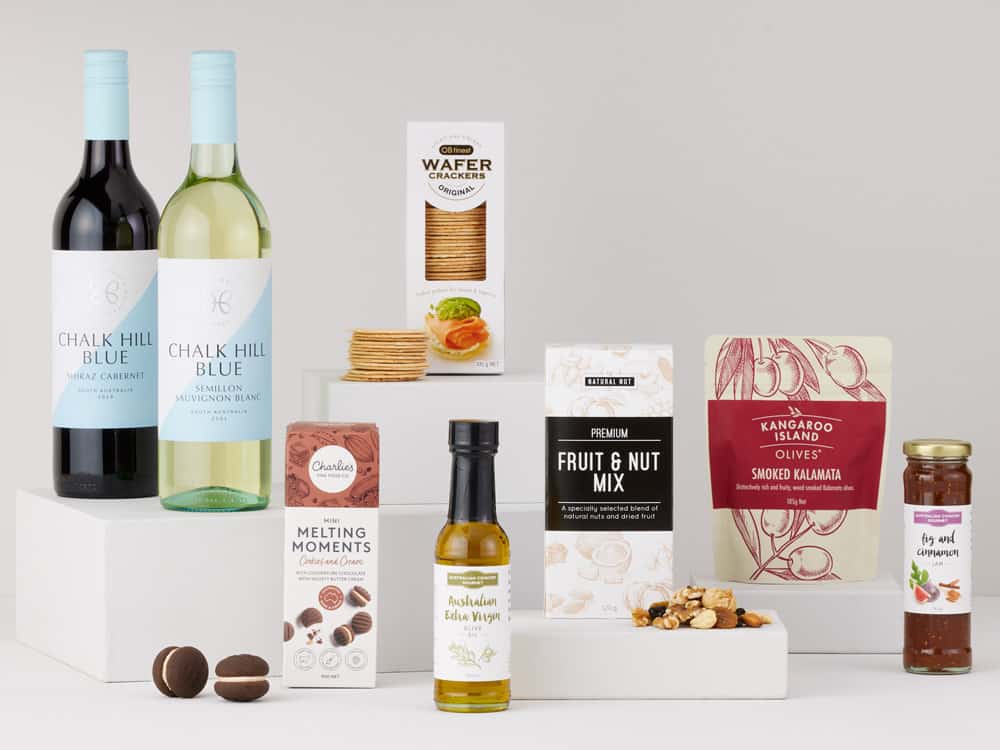
Common Allergens in Hamper Items
- Peanuts and tree nuts: Often found in chocolate, granola, and snack bars. Dairy: Milk, cheese, and butter can lurk in spreads and baked goods. Gluten: Wheat, barley, and rye are hidden in bread, crackers, and some candies. Shellfish: Not typical in a hamper, but worth checking if the client has a seafood allergy.
Reading Labels Like a Detective
The label is your best friend. Look for “contains” statements and cross‑reference ingredient Wine & gourmet food lists. A quick question to ask: “Does this item contain any of the client’s known allergens?” If the answer is “yes,” skip it.
> “The best gifts are those that show you care,” says the old adage that reminds us it’s the thought—and the safety—behind the hamper that matters most.
Building an Allergy‑Friendly Hamper
Now that you know what to avoid, it’s time to assemble a hamper that feels luxurious but is also safe.
Selecting the Core Items
- Fresh fruit: Apples, grapes, and berries are usually safe. Dairy‑free spreads: Almond or oat butter, or a vegan cheese alternative. Gluten‑free crackers: Look for certified gluten‑free labels. Herbal teas: A calming selection of caffeine‑free blends. Organic honey: Sweet, natural, and free from additives.
Packaging and Presentation
- Use a clean, sealed container: A sturdy tin or a woven basket lined with parchment. Label each item: A small card noting the ingredient list helps the client feel secure. Add a personal note: A handwritten message can soften the professional tone.
Practical Tips for Avoiding Cross‑Contamination
Even if the items themselves are allergen‑free, cross‑contamination can still pose a risk.
- Keep surfaces clean: Wipe down cutting boards and utensils before preparing any items. Store separately: Keep allergen‑free items in a dedicated section of the hamper. Use dedicated utensils: A separate spoon or knife for each item reduces the chance of mixing. Check packaging seals: Ensure no broken seals that could expose the contents to allergens.
Customizing for Individual Preferences
Everyone’s tastes differ, and a personalized hamper shows you’ve gone the extra mile.
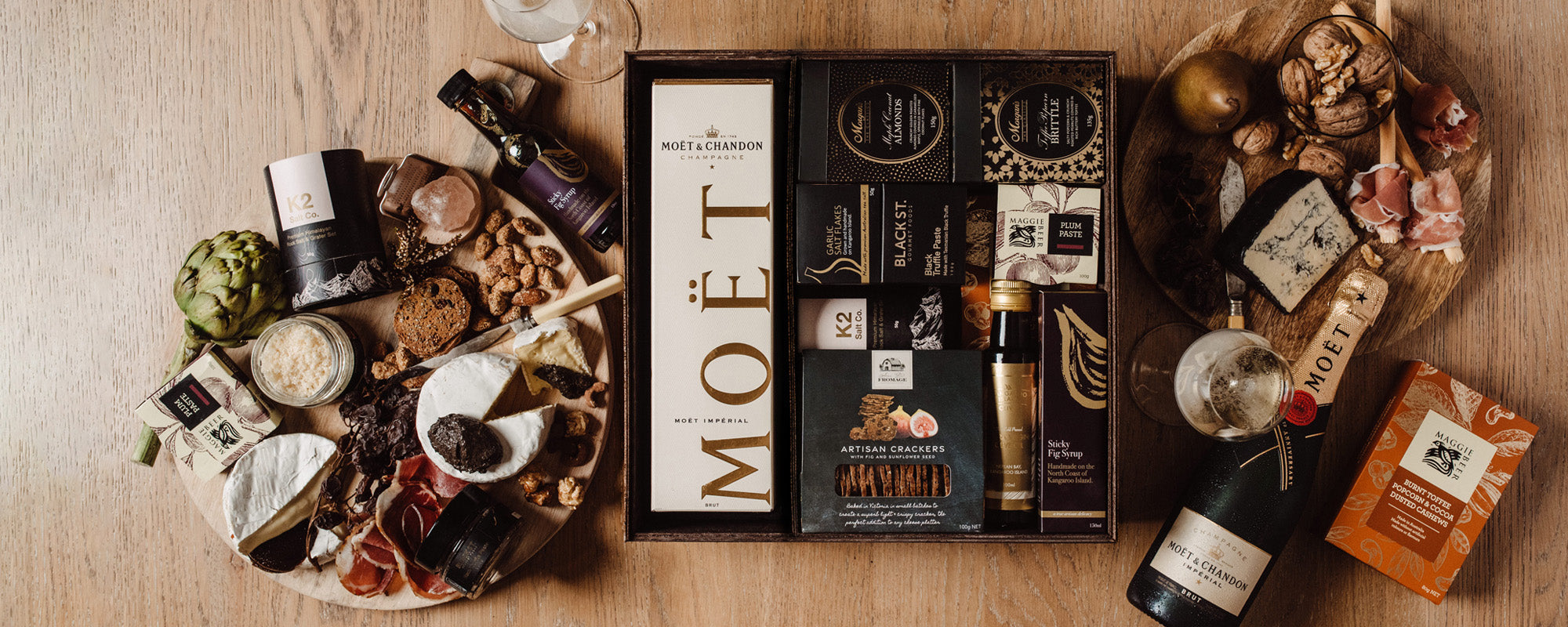
- Ask about dietary restrictions: Some clients may prefer vegan, keto, or low‑sugar options. Include a small treat: A single piece of dark chocolate (at least 70% cocoa) can satisfy a sweet tooth without dairy. Offer a choice: Provide two or three options for each category—e.g., two different types of tea—so the client can pick what they like best.
Anecdote
Last month, a client named Maya, who is allergic to nuts and lactose, received White wine a hamper from our office. She was so relieved that she called the entire team to thank us. She said, “It felt like you’d read my mind—no nuts, no dairy, and a lovely assortment of fresh fruit.” That call reminded us that the right hamper can turn a simple gift into a memorable gesture.
Final Thoughts: The Perfect Gift Awaits
Choosing a hamper that is suitable for a client with allergies isn’t just about avoiding a reaction; it’s about showing genuine care and respect. By understanding the allergy landscape, carefully selecting items, preventing cross‑contamination, and customizing the hamper to the client’s preferences, you create a gift that is both thoughtful and safe.
So the next time you’re tasked with assembling a client hamper, remember: it’s not just a box of goodies—it’s a bridge of trust and appreciation. Take the time to research, ask questions, and double‑check labels, and you’ll be sure that your hamper will be the gift that keeps on giving—without any unwanted surprises.